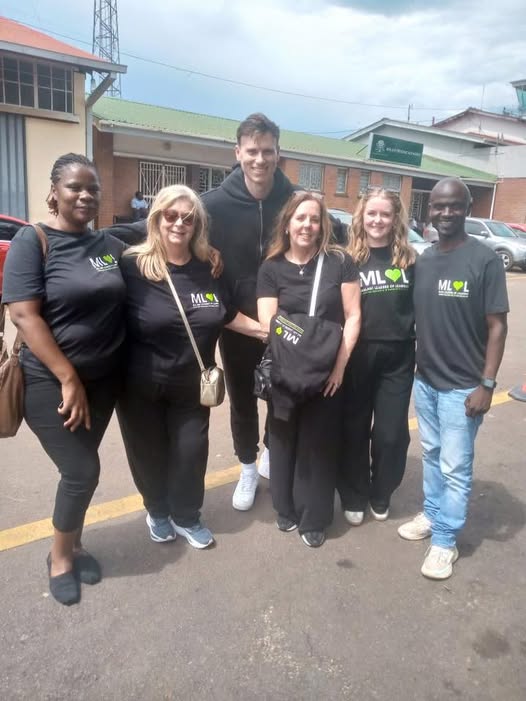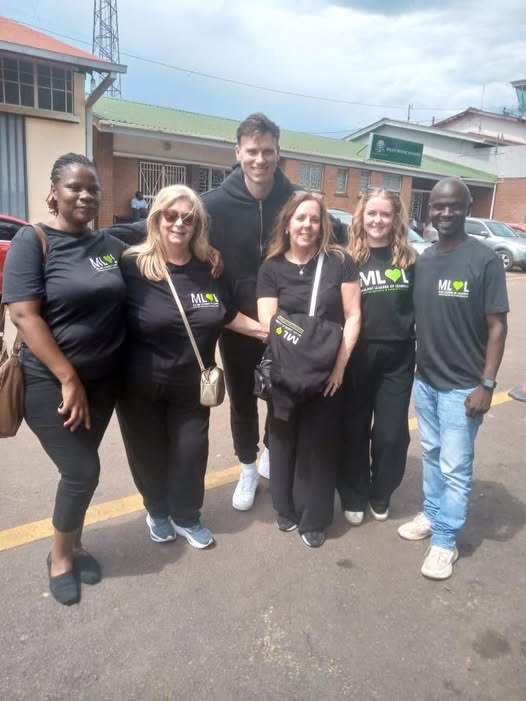

Today we had the pleasure of working with teachers in Malawi to strengthen approaches to the teaching, learning, and assessment of mathematics. This was an inspiring and transformative experience.
The collaboration highlighted the power of shared professional learning, locally relevant resources, and practical classroom strategies that support meaningful understanding for all learners.
A central focus of the work was developing effective ways to teach mathematics using locally produced materials and visual approaches. Teachers explored how everyday, readily available resources could be transformed into powerful learning tools. Bottle tops, sticks, stones and visual aids became practical supports to help the teachers grasp mathematical concepts more clearly. Using concrete materials allows learners to move from hands-on experiences to abstract thinking.
Teachers reflected on how manipulatives help learners:
Visualise mathematical relationships
Explore number concepts and operations
Develop problem-solving skills
Build confidence in handling mathematical ideas
Visual representations, including diagrams, number lines, and Bar models, further supported understanding by making mathematical thinking visible and accessible.
One of the most impactful aspects of the experience was the strong spirit of collaboration among teachers. They worked together to explore new strategies, openly shared their thinking, and reflected on their classroom practices.
Through discussion and joint activities, teachers:
• Shared successful teaching approaches
• Discussed challenges in mathematics learning
• Explored ways to assess learner understanding effectively
• Supported one another in trying new methods
This collaborative environment created a professional learning community where teachers learned from each other’s experiences and perspectives. The process encouraged reflection, innovation, and mutual support.
Teachers engaged with each other and explored ways to:
• Ask meaningful questions that reveal thinking
• Use observation during activities as assessment
• Provide feedback that supports improvement
A key outcome of the work is the teachers’ commitment to sustaining and extending their professional growth. They have developed plans to:
Share their learning with their own learners in the classroom
Work together to plan mathematics lessons collaboratively
Arrange peer visits to observe and learn from each other’s practice
Continue building their knowledge, skills, and understanding
These actions reflect a strong commitment to continuous improvement and shared responsibility for enhancing mathematics education. The experience demonstrates that effective mathematics teaching does not depend on expensive resources, but on thoughtful approaches, collaboration, and a deep focus on learner understanding. By using locally produced materials, embracing visual strategies, and working together as professionals, teachers are creating meaningful and engaging learning experiences.
As they carry this work forward—sharing their learning, planning together, and supporting each other through peer engagement—they are building a sustainable culture of professional growth that will benefit both teachers and learners for years to come. Their journey highlights the transformative potential of collaboration, creativity, and commitment in improving mathematics education.